Radcliffe Medical Education
Medical education learning resources for healthcare professionals
Radcliffe Medical Education banner
  • Home
  •  Dr Muthiah Vaduganathan

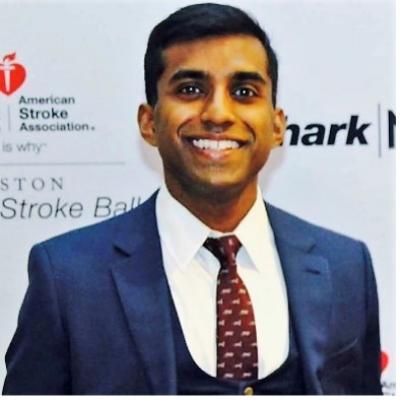
Muthiah Vaduganathan

Co-Director, Center for Cardiometabolic Implementation Science

Brigham and Women’s Hospital and Harvard Medical School, Boston, US

Biography

Dr. Muthiah Vaduganathan is a cardiologist and clinical trialist based in Boston, Massachusetts, United States. He practices at Brigham and Women’s Hospital and holds an academic appointment at Harvard Medical School. Dr. Vaduganathan is internationally recognised for his work at the intersection of cardiovascular, kidney, and metabolic disease, with a particular focus on translating evidence from large-scale clinical trials into routine clinical practice.


Academic History

Dr. Vaduganathan completed his medical training in the United States and pursued advanced postgraduate training in cardiovascular medicine, with a focus on heart failure and preventive cardiology. His academic development has been closely aligned with outcomes research, trial methodology, and translational science, positioning him as a leading investigator in cardio-kidney-metabolic therapeutics.


Career Overview

Dr. Vaduganathan is a Cardiologist and Clinical Trialist at Brigham and Women’s Hospital and Harvard Medical School. He is Co-Director of the Center for Cardiometabolic Implementation Science at Brigham and Women’s Hospital, where he leads initiatives aimed at accelerating the uptake of evidence-based therapies across cardiovascular, renal, and metabolic disease domains.

He serves as an Associate Editor of the Journal of the American College of Cardiology (JACC) and acts as the United States National Ambassador to the Heart Failure Association of the European Society of Cardiology. His research portfolio spans drug development, advanced-phase clinical trials, and implementation science, with a particular emphasis on therapies for heart failure and cardio-kidney-metabolic conditions. Dr. Vaduganathan participates in the study leadership of multiple ongoing international trials and has authored or co-authored more than 700 peer-reviewed scientific publications.


Career Timeline

  • Medical Training – United States
  • Postgraduate Cardiology Training – Heart failure and clinical research focus
  • Brigham and Women’s Hospital – Cardiologist and Clinical Trialist
  • Harvard Medical School – Faculty Appointment
  • Present – Co-Director, Center for Cardiometabolic Implementation Science, Brigham and Women’s Hospital
  • Present – Associate Editor, Journal of the American College of Cardiology
  • Present – US National Ambassador, ESC Heart Failure Association


Recognition

Dr. Vaduganathan is widely recognised for his prolific contributions to cardiovascular research and clinical trial leadership. His work has influenced contemporary guideline development and clinical practice in heart failure and cardio-kidney-metabolic disease. He is a frequent invited speaker at major international scientific meetings and serves in leadership roles across global cardiovascular research collaborations.


Areas of Speciality

  • Heart Failure
  • Cardio-Kidney-Metabolic Disease
  • Clinical Trials and Drug Development
  • Implementation Science
  • Preventive Cardiology
  • Evidence Translation and Guidelines


Sources

Featured Courses

Decoding the Future of Heart Failure — Emerging Strategies in HF with EF ≥40%: Key Takeaways from 2024
  • 1.00 EBAC

Learning objectives

  • Summarise the long-term burden and current unmet needs for patients with HF and EF ≥40%
  • Recall data on new therapies being evaluated in the HFmr/pEF population, including data from the AHA 2024 annual congress
  • Describe how non-steroidal MRAs differ in their mechanism of action and elicit their benefits in HF
See more
Medical Options for Advanced HFpEF/HFmrEF Patients: An Expert-Guided Virtual Ward Round
  • 1.00 EBAC

Learning objectives

  • Describe the current limitations of HFmrEF/HFpEF GDMT in advanced patients
  • Select appropriate patients for advanced medical therapy
  • Recall recent trial data for novel therapeutic approaches
  • Use expert guidance to develop an evidence-based approach to managing advanced HFmrEF/HFpEF
See more